Guide
How Long to Bake Chicken Wings (Time & Temp)
This page contains affiliate links – if you buy through them we may earn a commission, at no extra cost to you. The recommendations are our own assessment. As an Amazon Associate we earn from qualifying purchases.
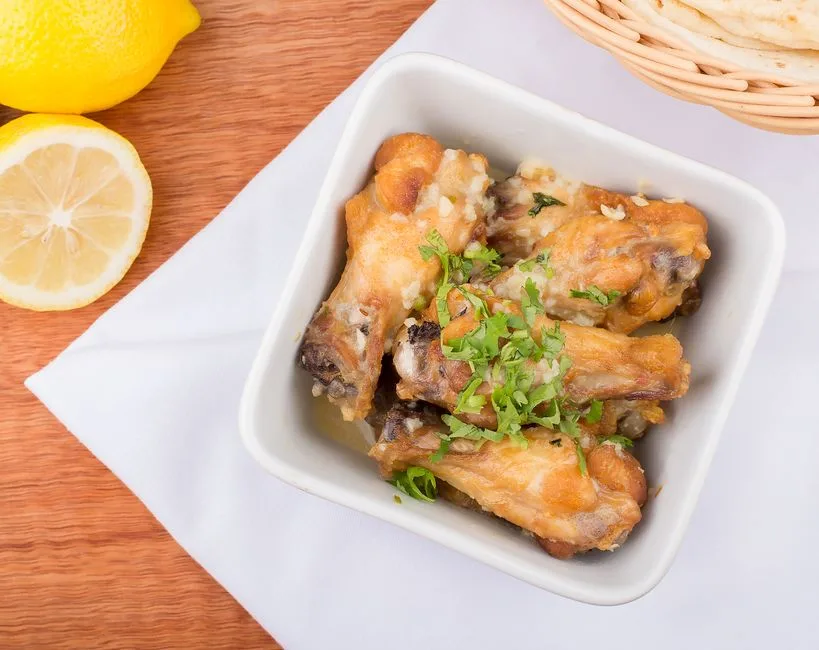
Baked wings are the easy, no-fry route to crackly skin and juicy meat. Two things matter most: a hot oven and a food thermometer. Most wings roast in 40 to 45 minutes at 400°F (204°C), and a slightly hotter oven crisps the skin even more. Because ovens vary, treat the times below as a starting point and let the internal temperature be your final guide. The USDA safe minimum for all poultry is 165°F (74°C).
How to use this chart
Pick your oven temperature from the table, then start checking near the low end of the time range. Set the wings in a single layer on a wire rack over a rimmed baking sheet so hot air reaches all sides and rendered fat drips away. Flip once at the halfway mark for even browning. Wings are done when the thickest part, not touching bone, reads at least 165°F (74°C) on an instant-read thermometer. Larger wings or a full, crowded pan will push you toward the longer times.
Times assume fresh or fully thawed wings, split into flats and drumettes, roughly 2 to 2.5 pounds spread across one pan. Whole (unsplit) wings and very large wings can add 5 to 10 minutes.
Tips for crispy baked wings
- Pat the wings very dry with paper towels before seasoning; surface moisture steams the skin instead of crisping it.
- For extra-crispy skin, toss wings with about 1 teaspoon of aluminum-free baking powder (not baking soda) per pound; it raises the skin's pH and helps it brown and blister.
- Use a wire rack set over a rimmed sheet pan so fat drips away and hot air reaches the underside.
- Keep wings in a single layer with space between them. Crowding traps steam and gives you soft, pale skin.
- Salt ahead of time, even overnight uncovered in the fridge, to dry the skin further for better crunch.
- Sauce after baking, not before. Toss finished wings in buffalo, BBQ, or garlic-parmesan just before serving so the skin stays crisp.
- Times vary by oven, wing size, and whether wings started fresh or frozen, so always confirm doneness with a thermometer rather than the clock.
| Oven temp | Time | Result |
|---|---|---|
| 375°F (190°C) | 45-50 min | Gentle and even; skin crisps slowly |
| 400°F (204°C) | 40-45 min | Reliable all-rounder; crispy skin, juicy meat |
| 425°F (218°C) | ~40 min | Extra-crispy skin; the sweet spot for most cooks |
| 450°F (232°C) | 35-40 min | Fastest and crispiest; watch closely so sauce or spices don't burn |
Frequently asked questions
What internal temperature should chicken wings reach?
The USDA safe minimum for all poultry, including wings, is 165°F (74°C). Check the thickest part without touching bone. Many cooks intentionally take wings to 175-185°F (79-85°C) so the fat and connective tissue render, which gives a more tender, less rubbery bite.
How long do I bake wings at 400°F?
About 40 to 45 minutes for a single layer, flipping once at the halfway point. Start checking at 40 minutes and pull them once they hit at least 165°F (74°C).
Do I need to flip the wings?
Flipping once about halfway through helps both sides brown evenly and keeps the underside from sitting in fat. If you use a wire rack, air circulates underneath and flipping matters a little less, but it still improves color.
Can I bake wings straight from frozen?
You can, but the skin will not crisp well and the timing is less predictable. For the best results, thaw wings fully and pat them dry first. If you must bake from frozen, add roughly 50 percent more time and always confirm 165°F (74°C) with a thermometer.
Why does baking powder make wings crispier?
A light coating of aluminum-free baking powder raises the skin's surface pH, which speeds browning, and it helps draw out and evaporate moisture. The result is skin that blisters and crisps more like fried wings. Use baking powder, never baking soda, which tastes metallic and soapy.
See the full baking temperature conversion chart for °F to °C and gas marks.
Related guides